

We have all found ourselves in that situation, staring at a screen packed with flashing banners, each promising the moon on a stick prontobetscasino.com. The online casino space is so competitive now that choosing a place to play seems more like entertainment and more like a chore. This is exactly where casino comparison sites enter the spotlight. They claim to cut through the noise, rate the contenders, and hand us a neat shortlist of the best platforms. But how do they really work, and can we rely on them blindly? We aimed to pull back the curtain on the machinery that drives these recommendation engines.
The relationship between a player and a comparison portal is more intricate than it first appears. On the surface, it seems like a free consumer advice service. Look a bit closer, and you will find a commercial ecosystem built on affiliate partnerships, data scraping, and subjective scoring models. Understanding this dynamic is not just academic curiosity. It immediately affects where we place our money, which welcome offers we take, and ultimately how safe our gaming session proves to be. We are going to analyze the entire model so you can read between the lines of every top-ten list you come across.
How the Affiliate Engine Actually Powers Rankings
The vast majority of comparison portals do not charge players a penny for access. Their lights remain on because of affiliate marketing deals made directly with casino operators. When we click a link on a review site and sign up, the portal earns a commission. This can be a flat fee for a new depositing player or a revenue share model where the site takes a percentage of our lifetime losses. This financial pipeline is the key element shaping the layout of the rankings we scroll through every day.
We need to be blunt here: a high ranking does not necessarily indicate a casino is the finest in a vacuum. It often means the casino performs well for the affiliate. A brand with a massive advertising budget and a smooth registration funnel might get pushed above a smaller, niche operator that actually offers better table game rules. This does not render the lists useless, but it means we need to see them as curated advertisements rather than pure, academic research. The commercial incentive is constantly present, influencing the order of the tiles on the page.
Nevertheless, the most intelligent comparison sites know that burning their readers with poor recommendations harms their long-term earnings. If a portal refers us to a rogue operator that confiscates winnings, we never come back to click another link. Trustworthy comparison engines thus offset the commission size with a screening process. They might rank a high-paying partner first, but they will usually drop them entirely if the casino lacks a valid licence or has a history of unresolved complaints. The trick is identifying the portals that apply this ethical boundary firmly. discover now
The CPA vs. Revenue Share Dilemma
The payment model influences the bias. A site working on a Cost Per Acquisition basis gets paid once and continues. This encourages promoting high-volume, mass-market brands with aggressive sign-up offers, even if the long-term player experience is lackluster. There is diminished motivation to check if the VIP program truly rewards loyalty or if the game lobby renews regularly. The review could be shallow because the portal’s financial relationship with that player concludes the moment the first deposit clears.
Revenue share models create a unique alignment. If a portal gains a percentage of our activity, they want us to remain for years. They are more prone to promote casinos with strong retention tools, regular reload bonuses, and fast cashouts. When we see a site passionately advocating for low wagering requirements and high withdrawal limits, there is a good chance a revenue share deal is funding that content. It harmonizes the portal’s interests more directly with ours, though the pressure to keep us playing is always present.
The purpose of Real Player Feedback and Complaint Aggregation
An expert review written by a professional who spent two hours on the site is helpful, but it cannot substitute for the wisdom of the crowd. Thousands of players logging in daily will reveal payout delays and buggy software long before a single reviewer observes. The most valuable comparison sites act as complaint aggregators. They maintain a live feed of user comments or integrate data from dispute resolution forums. This produces a real-time health check that a static review from six months ago simply cannot provide.
However, we must filter user reviews with the same skepticism we apply to the professional rankings. Competitors can publish fake negative reviews, and casinos can fabricate glowing testimonials. A sophisticated comparison portal deploys a verification system, perhaps necessitating a player to submit a transaction ID to prove they actually have an account. It also supplies a space for the casino representative to respond publicly. A brand that calmly resolves a complaint in the comments section gains more trust from us than one with a pristine but quiet feedback wall.
The ratio of payment complaints to general complaints is the metric we watch most closely. If a casino has a hundred user reviews commending the games but ten separate threads about six-week withdrawal delays, the payment issue is the signal we care about. A comparison site receives our respect when it alters the casino’s safety score downward in real time based on a sudden spike in non-payment reports. This responsive link between user sentiment and the official rating is the hallmark of a platform that functions for players, not just for shareholders.
In what manner Comparison Sites Evaluate Welcome Bonus Actual Value
The headline number of a welcome bonus is the least reliable piece of data in the whole industry. A two-thousand-euro bonus seems incredible until we determine the mathematical cost of clearing it. Comparison sites that simply rank by “Biggest Bonus” are providing a disservice. We search for portals that compute the Expected Value of a bonus based on the wagering requirement, the game weighting, and the time limit. A one-hundred-percent match with a twenty-times playthrough on slots is often more valuable in real terms than a three-hundred-percent match with a fifty-times rollover.
Game contribution percentages are the unseen danger of bonus value. A comparison site must specify that playing blackjack or roulette counts only five or ten percent toward the wagering target. If we claim a big bonus and then find out our preferred game barely advances the progress bar, we are essentially trapped. The best review platforms replicate a bonus clearing session. They inform us how much we need to wager on slots versus how much we would need to risk on table games to access the funds.
We further scrutinize the maximum bet clause during bonus play. Many casinos cap the bet size at five euros per spin while a bonus is active. Exceed that, and they seize the bonus and any winnings derived from it. A trustworthy comparison site shouts this warning from the rooftops. It does not bury it in a collapsed terms and conditions section. It includes the max bet rule into the bonus score itself, heavily penalizing casinos that use this term as a trap for players who do not read the microscopic fine print.
No Deposit and Cashback Mechanics
No-deposit bonuses are the ultimate test of a comparison site’s honesty. These offers draw huge click-through rates, so shady portals push them regardless of the terms. We trust sites that explain the hard cap on winnings from a no-deposit bonus. A casino might give us twenty free spins, but if the maximum we can ever withdraw is fifty, that is a vital limitation. A good comparison tool views a no-deposit offer as a risk-free trial of the software, not as a path to life-changing money.
Cashback is a different area where explanations get vague. Some casinos offer cashback on losses determined from the first bet, while others figure it on net losses after wins are deducted. The distinction is massive. A comparison site that grasps the math will clarify whether the cashback is a true rebate or a calculated net-loss buffer. It will also specify if the cashback comes as real cash with no strings attached or as a bonus with another layer of wagering requirements tied to it.
Decoding the Evaluation Criteria Behind the Star Ratings
Every comparison site shows a bright rating badge, typically a rating out of five or ten, but the math underlying that number is rarely transparent. We have encountered portals where the “Overall Score” is a personal gut feeling dressed up in decimal points. The best operators, however, break their ratings down into categorized categories. We must to find sites that detail exactly how many points are allocated to safety, how many to game variety, and how many to the bonus terms. Without that breakdown, a 9.8 rating is simply a graphic design element.
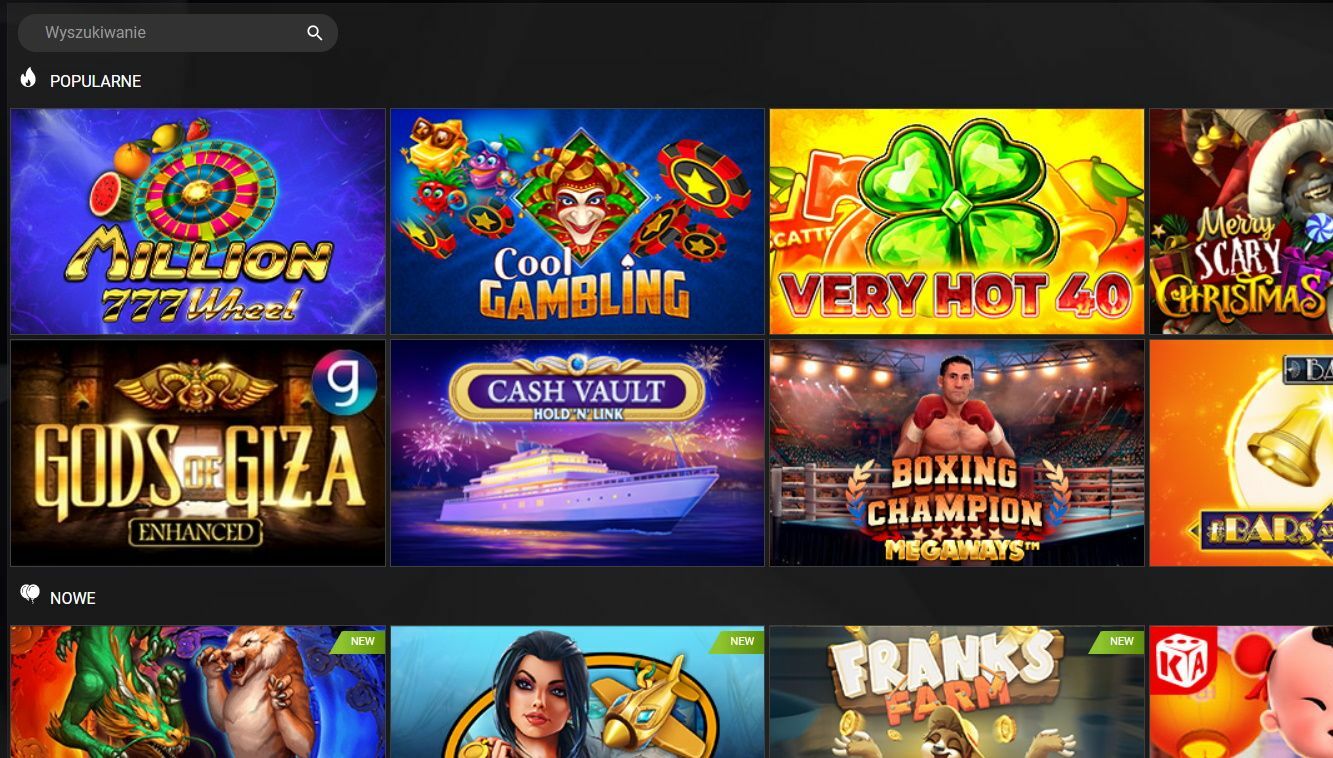
Safety and trust metrics should naturally carry the greatest weight, but they are often overshadowed by the “Bonus Size” category because big numbers draw clicks. A site might award a perfect score for a massive welcome package while silently ignoring that the wagering requirement is an impossible 50x. When we review a comparison portal ourselves, we dig into the methodology page. If a site asserts to test withdrawal speeds, we want to see proof of those test deposits and screenshots of the cashier interface. Concrete testing data beats vague marketing adjectives every single time. the basics
Game weighting is yet another hidden trap. A casino might score highly for having five thousand slots, but if the table gaming and live dealer areas are barren, a blackjack fan could feel misled. A advanced comparison engine divides these verticals. It gives separate scores for slot variety, live casino quality, and sports betting depth. We advise ignoring the total aggregate number until you have checked the sub-scores that match your own playing style. A perfect ten for a slot fanatic could be a five for a poker player.
The Way We Check Licensing Claims

A comparison site may put a “Licensed and Safe” badge on any site, but we must never take that at face value. The actual test is whether or not the portal provides a direct link to the live regulator registry. We invariably check the footer of the casino and cross-reference the licence number with the recognized database of the Malta Gaming Authority or the UK Gambling Commission. A trustworthy comparison site performs this task for us, publishing the exact licence number and the date it was finally verified.
We also watch out for ambiguous phrasing like “operates under a European licence.” That is a warning sign. Curacao, Estonia, and Malta are all in Europe but offer vastly different levels of player protection. A rigorous comparison portal discerns between a master licence holder and a sub-licence operator. It clarifies whether funds are segregated and if an independent dispute resolution service is available. If the review does not reference specific regulatory bodies by name, the writer probably did not verify them.
Testing Mobile Experience Further than the Responsive Design Check
Most comparison sites mark “Mobile Compatible” if the casino loads in a phone browser without crashing. We consider that standard is laughably low. A genuine mobile review tests the platform under real-world conditions: a shaky 4G connection on a three-year-old device. We expect portals that report on the touch-target size of the spin button, the readability of the game rules on a small screen, and whether the live dealer stream eats up an entire data plan in thirty minutes.
The debate between a dedicated app and a Progressive Web App is one more area where comparison sites should direct us. A native app may provide biometric login and push notifications for bonuses, but it also requires storage space and regular updates. A browser-based mobile site is more lightweight but might lack the full game library. A sharp comparison engine evaluates both pathways. It lets us know if the app drains the battery abnormally fast or if the mobile site signs us out every time we open a messaging app for two seconds.
We also look for portals that examine the full account lifecycle on mobile. It is simple to sign up and deposit on a phone, but can we finish the Know Your Customer verification by snapping a photo of our ID? Can we begin a withdrawal and track its status without switching to a desktop? A casino that requires us to a computer to upload documents flunks the mobile test, even if its slots spin smoothly. The comparison site should mark this workflow breakage as a critical usability flaw.
The Hidden Filter of Payment Method Compatibility
Financial transactions is the part of the casino experience that causes the most hassle, yet many comparison sites treat it as an afterthought. A glowing review might praise a casino’s game library, but if the only withdrawal method requires seven business days and applies a hefty fee, the experience deteriorates fast. We have discovered that a top-tier comparison portal constructs its rankings around the payment ecosystem first. It assesses casinos not just by the methods they accept, but by the actual processing logic that governs our cash flow from wager to wallet.
The difference between deposit speed and withdrawal speed is vital. Almost every casino completes a Visa or e-wallet deposit right away. That is not a feature worth celebrating; it is the bare minimum. The real stress test is the pending period and the verification queue. A useful comparison site will inform us frankly that a casino takes 48 hours just to “review” a cashout before sending it to the processor. We value portals that display time-stamped test logs showing exactly when a withdrawal request was approved and when the funds arrived in the bank account.
We additionally want to see a review of limits that affect real players. A casino might claim “no maximum withdrawal” but then cap transactions at five thousand per week. A serious comparison engine clarifies the difference between a transaction limit and an account limit. It also marks casinos that reverse withdrawal requests, a predatory practice that lets players cancel a cashout and gamble the money away. Any portal that overlooks the “reverse withdrawal” button is not defending its readers from the most dangerous trap in the cashier.
Crypto and Fiat Processing Gaps
The rise of crypto casinos has created a division in the comparison landscape. Some portals still rank Bitcoin casinos using fiat criteria, which loses the point entirely. On-chain withdrawals should be near-instant, yet we still see sites applauding a 24-hour crypto processing time as “fast.” A knowledgeable comparison site separates the blockchain-native houses from the hybrid operators that simply added a Bitcoin deposit option on top of a slow manual review process.
We also pay attention to the small details on currency conversion. If we deposit in Euro and the casino exchanges it to US Dollars behind the scenes, we incur losses on the spread. A astute comparison portal features casinos that offer true multi-currency accounts. It also assesses the reliability of altcoin wallets, verifying whether Litecoin or Tether transactions are processed with the same priority as Bitcoin. The fees for transferring funds on and off the platform should be a headline metric, not a footnote.
Using Comparison Data to Match a Casino to Your Player Profile
We have spent a lot of time examining the comparison sites themselves, but the ultimate goal is to apply their data to identify our personal sweet spot. A high roller pursuing a VIP manager and fifty-thousand-euro table limits has almost nothing in common with a casual player who desires to spin penny slots with a five-euro deposit. A generic top-ten list that groups both audiences together is useless. The smartest comparison engines let us specify our preferences and dynamically re-sort the rankings based on what we actually care about.
We commence by establishing our non-negotiables. If we play mostly live blackjack, we need a comparison filter that highlights casinos with multiple Evolution Gaming or Pragmatic Play Live tables, not just a generic “Live Dealer” checkbox. If we know we will go after a progressive jackpot, we need a portal that displays current jackpot sizes and links directly to the eligible games. The comparison site should work like a database query, not a static magazine article. We want to manipulate the levers and see the leaderboard move in response to our specific inputs.
The speed of the verification process is a profile criterion that many comparison sites ignore. A player who prefers to deposit and play within five minutes needs a casino with automated ID verification. A player who does not mind waiting a day for manual checks can handle a different workflow. A top-tier comparison portal maps the typical KYC timeline for each brand. It shows us whether the casino uses biometric liveness checks or requires a printed and signed form. This level of granularity transforms the comparison from a popularity contest into a precision matching tool.
We should also synchronize our volatility tolerance with the bonus structure. If we deposit infrequently and want each session to last for hours, a comparison site should direct us toward casinos with low-wagering sticky bonuses and a deep library of low-volatility slots. If we are seeking a max win on a single bonus buy, we need a platform that allows bonus buys and processes large crypto payouts without suspending the account. The comparison engine becomes our strategy partner, not just a shopping list. We urge you to approach these portals with a clear checklist of your own habits and make the filters to work for you, rather than passively taking a one-size-fits-all ranking.